Elegant Ornamental Frames for Timeless Wedding Stationery
There's a particular kind of magic in watercolor art that digital tools struggle to replicate — the soft bleed of pigment, the delicate imperfections, the way gold accents catch light as if they were real foil. For designers working on wedding projects, luxury branding, or romantic editorial layouts, capturing that handmade quality while maintaining professional polish is a constant challenge. This collection of ornamental frames and decorative elements bridges that gap beautifully, offering hand-painted watercolor assets that feel both classical and contemporary.
What Makes This Ornamental Clipart Collection Stand Out
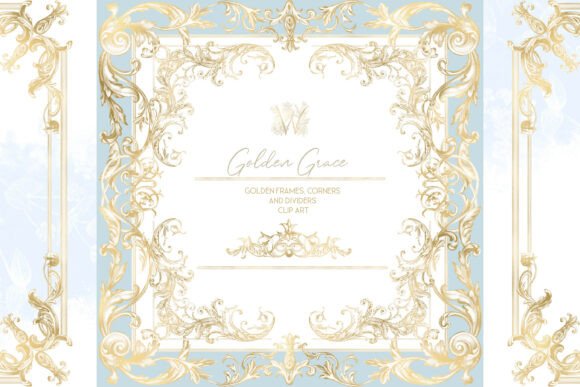
The set draws inspiration from European decorative traditions — think gilded picture frames in a Venetian palazzo or the ornate borders of a vintage invitation suite. Each piece was painted by hand, which gives the elements a warmth and authenticity that purely digital vector graphics simply cannot achieve. The watercolor texture adds softness, while the gold accents provide just enough luxury without tipping into excess.
Here's what's included in the collection and how each element serves a distinct creative purpose:
- 2 ornate square frames with soft gold shadows — At 29x29 cm (11x11 inches), these are substantial enough for full invitation designs, menu cards, or program covers. The subtle shadow effect gives them depth, making them appear slightly raised off the page.
- 2 golden ornamental corners — These are incredibly versatile. Use them to build custom rectangular or square frames in any proportion you need. Layer them at different distances from the edge to create frames of varying thickness and scale.
- 3 decorative dividers — Perfect as section headers on programs, separators between text blocks on invitations, or standalone flourishes on social media graphics. They add visual rhythm to any layout.
- 1 ornate splash — This element works as a background accent, a watercolor wash behind text, or an artistic detail that ties the entire collection together.
The light gold color palette is intentionally restrained. Rather than bright, saturated yellow-gold, these accents lean toward champagne and antique gold tones. This makes them easier to pair with a wide range of color schemes — from blush and ivory to sage green, dusty blue, or deep burgundy.
Practical Applications Beyond Wedding Invitations
While the collection was designed with wedding stationery in mind, its usefulness extends far beyond ceremony programs and save-the-date cards. Anyone working in visual communication will find multiple applications for these ornamental design assets.
Branding and logo design: If you're building a brand identity for a boutique business — a florist, a luxury candle maker, a high-end bakery, a bridal boutique — these frames can anchor your visual language. Use the square frames as containers for product images on your website. Incorporate the ornamental corners into your logo mark or as recurring graphic elements on business cards and letterhead. The watercolor texture communicates artisanal quality and attention to craft, which resonates with audiences who value authenticity.
Packaging design: Product labels, gift tags, tissue paper patterns, box inserts — the ornamental dividers and corners work beautifully at smaller scales. A decorative divider printed on a candle label or a chocolate box sleeve adds an unexpected touch of elegance that elevates the unboxing experience.
Social media graphics: Instagram posts, Pinterest pins, and Facebook headers all benefit from distinctive visual framing. Use the square frames to create consistent templates for quote posts, product announcements, or event promotions. The gold accents photograph well and stand out in crowded feeds without relying on bold colors or aggressive typography.
Website and blog design: Ornamental frames can serve as featured image containers, pull-quote decorations, or section dividers on a webpage. For bloggers in the lifestyle, wedding, or luxury space, these elements reinforce a cohesive aesthetic across every touchpoint of the reader's experience.
Print materials and editorial layouts: Magazine spreads, lookbooks, restaurant menus, event programs, and thank-you cards all benefit from decorative framing. The dividers work particularly well in editorial design where you need to break up long text blocks while maintaining visual interest.
Digital products and marketing assets: If you sell templates on Etsy, create Canva templates for clients, or produce downloadable planners and journals, incorporating ornamental clipart adds perceived value. Customers associate gold accents and watercolor textures with premium quality, which can justify higher price points for your digital offerings.
Pairing Ornamental Frames with Typography
The frames and decorative elements in this collection are only as effective as the typography placed inside them. Choosing the right font pairing is essential for achieving a cohesive, professional result.
For wedding invitations and formal event materials, consider pairing these ornamental frames with a refined serif font for body text and a flowing script font for names and headings. The contrast between structured letterforms and the organic watercolor texture creates visual tension that feels sophisticated rather than chaotic.
If your project leans more modern — a contemporary wedding website, a minimalist brand identity — try combining the frames with a clean sans serif typeface. The juxtaposition of classical ornamental details with contemporary typography feels fresh and intentional. It signals that you understand design history while embracing current trends.
When working with decorative frames, readability should always be a priority. Avoid placing text directly over the busiest parts of the ornamental design. Use the interior space of the frames, where the watercolor texture is lightest, as your text area. If you're using the dividers as section breaks, leave generous padding above and below them so they don't crowd your body copy.
Test your font pairings at the actual size your finished piece will be viewed. A script font that looks elegant on a 27-inch monitor may become illegible when printed on a 4x6-inch invitation card. Print a test copy or view your design on a mobile screen before finalizing your layout.
Building Visual Consistency Across Projects
One of the most valuable aspects of working with a cohesive clipart collection is the ability to maintain visual consistency across multiple design assets. When your wedding website, printed invitations, table numbers, favor tags, and social media announcements all share the same ornamental language, the result feels intentional and professionally curated.
This principle applies equally to branding projects. A small business that uses the same decorative corners on its packaging, website headers, email newsletters, and printed receipts creates a recognizable visual identity. Customers begin to associate those gold-accented details with the brand itself, which strengthens brand recognition over time.
To maximize consistency, establish a few simple rules for how you use the ornamental elements. Decide which frame style works best for primary applications and reserve the other for secondary uses. Use the dividers sparingly — one per layout is usually sufficient. Treat the gold accents as a supporting element rather than the main attraction. The frames should enhance your content, not compete with it.
Consider the medium as well. Watercolor textures render beautifully in print, especially on textured paper stocks like cotton or linen. For digital applications, make sure your file resolution is appropriate for screen display to avoid muddy or pixelated results. Most design software handles transparency well, so the watercolor edges should blend naturally with your background colors.
Licensing and Commercial Use Considerations
Before incorporating any design asset into a commercial project, review the licensing terms carefully. Most premium clipart collections allow commercial use, but specific restrictions may apply regarding resale of the raw files, use in print-on-demand templates, or distribution in editable format to clients.
For designers who create templates for sale — wedding invitation templates on Etsy, Canva template bundles, or downloadable stationery kits — confirm that the license permits redistribution as part of a flattened or non-editable final product. This is a common point of confusion, and understanding the terms upfront protects both you and your clients.
If you're a small business owner using these elements for your own branding and marketing, standard commercial licenses typically cover your needs. You can incorporate the frames and decorative elements into your logo, packaging, website, and social media without issue.
The investment in quality design assets like this ornamental clipart collection often pays for itself quickly. Rather than spending hours attempting to paint watercolor frames digitally or settling for generic clip art that undermines your professional image, you start with a polished foundation that reflects the care and craftsmanship your audience expects.
Whether you're designing a wedding suite for a client, building a brand identity for a luxury small business, or creating digital products that need a touch of refined elegance, these hand-painted ornamental elements offer both beauty and practicality. The classical European inspiration gives them staying power beyond seasonal trends, while the watercolor technique keeps them feeling fresh, organic, and unmistakably handmade.